Maldives General Information: Your Complete 2026 Travel Guide
Dreaming of crystal-clear turquoise waters, powdery white sand, and vibrant coral reefs? The Maldives is the ultimate bucket-list destination, but planning a trip to an archipelago of nearly 1,200 islands can feel overwhelming. Whether you are looking for an ultra-luxury overwater villa or seeking an authentic cultural experience on a local island, this complete travel guide covers everything you need to know before you touch down in paradise.
Essential Maldives Fast Facts
Before diving into itineraries and island hopping, here is a quick overview of the essential information every traveler should know.
| Category | Information |
| Location | North-central Indian Ocean, southwest of India and Sri Lanka |
| Capital | Malé |
| Language | Dhivehi (English is widely spoken in tourist areas) |
| Currency | Maldivian Rufiyaa (MVR) & US Dollars (widely accepted) |
| Visa | 30-day free visa on arrival for all nationalities |
| Religion | Islam (Strict local laws apply outside resort islands) |
| Time Zone | GMT +5 (Some island resorts operate on “Island Time” to offer more daylight) |
When is the Best Time to Visit the Maldives?
The Maldives enjoys a warm, tropical climate year-round, with average daytime temperatures sitting comfortably between 26°C and 32°C.
- Dry Season (November to April): This is peak tourist season. Expect endless sunshine, low humidity, and the calmest waters. It is the perfect window for pristine beach days and maximum underwater visibility for scuba diving.
- Green Season (May to October): The monsoon season brings higher chances of tropical rain showers and elevated humidity. However, prices drop significantly, making it the best time for budget-conscious travelers. It is also an exceptional time for encountering large marine life, such as manta rays and whale sharks, as nutrient-dense currents sweep through the atolls.
Choosing Your Experience: Resort vs. Local Island
The modern Maldivian travel landscape offers two distinctly different ways to experience the country.
The Luxury Resort Experience
When you picture the Maldives, you likely envision private islands, infinity pools, and luxurious overwater bungalows. Each of the 160+ resorts in the Maldives occupies its own private island. These sanctuaries offer unparalleled privacy, world-class spas, and international fine dining. Guests here can wear typical resort wear, and alcohol is freely available.
The Local Island Experience
For travelers seeking a deeper connection with Maldivian culture—and a much more affordable price tag—local islands are the perfect choice. Islands such as Maafushi, Thoddoo, and Dhigurah feature family-run guesthouses and boutique hotels. You can eat fresh catch straight from the local fishers and experience daily island life. Because the Maldives is a Muslim country, visitors on local islands must adhere to conservative dress codes in public areas, and alcohol is strictly prohibited. However, most local islands offer designated “Bikini Beaches” where tourists can sunbathe in standard swimwear.
Top Nature & Conservation Hotspots
The Maldives is home to some of the most vibrant and fiercely protected marine ecosystems on the planet. Nature lovers and diving enthusiasts should prioritize visiting the country’s incredible UNESCO World Biosphere Reserves:
- Baa Atoll: World-famous for Hanifaru Bay, where massive congregations of manta rays and whale sharks gather to feed on plankton.
- Addu Atoll: Located in the deep south, this region features unique habitats, outstanding wreck diving, and a fascinating history.
- Fuvahmulah: A single-island atoll that stands out as one of the world’s premier destinations for pelagic shark diving, particularly for spotting majestic tiger sharks.
What to Eat in the Maldives
Maldivian cuisine (Dhivehi Keoen) is heavily influenced by the Indian Ocean, relying on fresh tuna, coconut, and rich starches.
- Garudhiya: A fragrant, traditional fish soup served with rice, lime, and chili.
- Mas Huni: The ultimate Maldivian breakfast, made from shredded smoked tuna, grated coconut, onions, and chili, eaten with fresh flatbread (roshi).
- Addu Bondi: For those traveling to the southern region, this sweet treat is a must-try. This sweetened coconut delicacy wrapped in dried banana leaves is a proud, specific tradition of the Addu region, rather than a generalized national dish.
How to Get Around
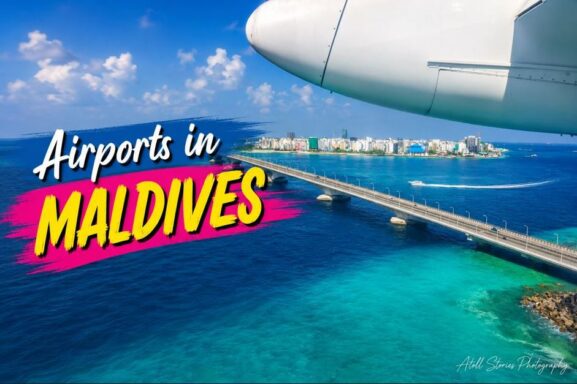
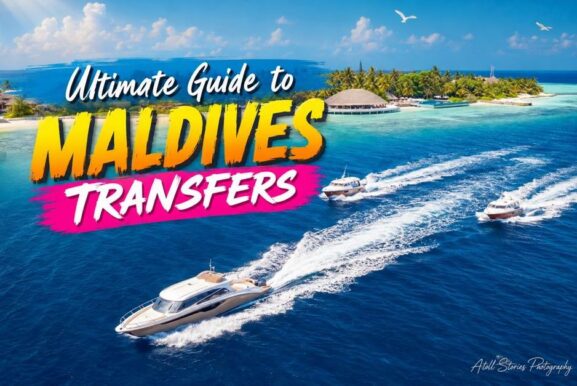
Navigating an archipelago requires taking to the sky or the sea. Upon landing at Velana International Airport (MLE) in the capital, your onward journey will utilize one of three main transport methods:
- Seaplane: The most iconic and scenic way to travel. These low-flying aircraft offer breathtaking aerial views of the coral reefs. They operate only during daylight hours and are typically used for high-end resorts.
- Domestic Flight: The Maldives has an extensive network of domestic airports. These commercial flights are often used to reach the more distant northern and southern atolls.
- Speedboat: The primary mode of transport for resorts and local islands located within the North and South Malé Atolls.
Final Travel Tips for a Seamless Trip
- Pack Light & Airy: Bring breathable fabrics, reef-safe sunscreen, and a universal power adapter. Keep in mind that seaplanes have strict luggage weight limits (usually 20kg for checked bags and 5kg for hand luggage).
- Respect the Reef: The coral ecosystems are incredibly fragile. Never touch, stand on, or take pieces of coral or shells home with you.
- Tax Awareness: Be prepared for the standard 16% Goods and Services Tax (GST), a 10% service charge, and a mandatory Green Tax ($6 USD per person, per day) added to resort and dining bills.