Maldives First-Time Visitor Guide: Essential Tips & Insights
Welcome to the ultimate Maldives first-time visitor guide! This tropical paradise of crystal-clear turquoise waters, white-sand beaches, and vibrant marine life is a dream destination for many. However, planning a trip to this stunning archipelago can feel overwhelming. With its unique geography of scattered atolls, distinct cultural norms, and a vast array of accommodation options, a little preparation goes a long way.
Whether you are looking for a lavish honeymoon or a budget-friendly island-hopping adventure, this comprehensive guide provides the essential Maldives travel tips and insights you need to navigate paradise with ease.
1. Best Time to Visit the Maldives: Dry Season vs. Shoulder Months
The Maldives enjoys a warm tropical climate year-round, shaped by two distinct monsoon seasons. Choosing when to visit depends on your budget and what you want to experience.
                  MALDIVES WEATHER AT A GLANCE

   [Dec - Apr] Peak Dry Season  --> Perfect sunshine, best visibility, peak prices.
   [May - Nov] Wet Monsoon     --> Great surf, fewer crowds, major discounts.
   [Oct - Nov] Shoulder Months --> Ideal budget balance, brief showers.
The Dry Season (December to April)
This is the peak tourist season in the Maldives. Characterized by minimal rainfall, low humidity, and abundant sunshine, temperatures consistently range between 27°C and 31°C (81°F to 88°F).
- Pros: Perfect weather for sunbathing; pristine underwater visibility for snorkeling and scuba diving.
- Cons: Peak pricing for flights, overwater villas, and excursions.
The Shoulder Months (October and November)
If you want to balance great weather with affordability, the shoulder months are your sweet spot. As the wet monsoon winds down, rainfall decreases, and resort rates drop significantly. While brief afternoon showers can happen, they clear up quickly, leaving plenty of sunshine.
The Wet Season (May to November)
Don’t rule out the low season! While it brings higher humidity and a greater chance of rain, it is the absolute best time for surfers looking for epic swells. It also features incredible marine megafauna sightings and the lowest accommodation rates of the year.
💡 Pro Tip:
- Honeymooners & Luxury Seekers: Book between December and April for guaranteed postcard-perfect weather, even if it means paying premium rates.
- Budget Travelers: Target October or November to unlock deep discounts while enjoying highly favorable weather.
2. Maldives Transportation Guide: Seaplanes, Speedboats & Ferries
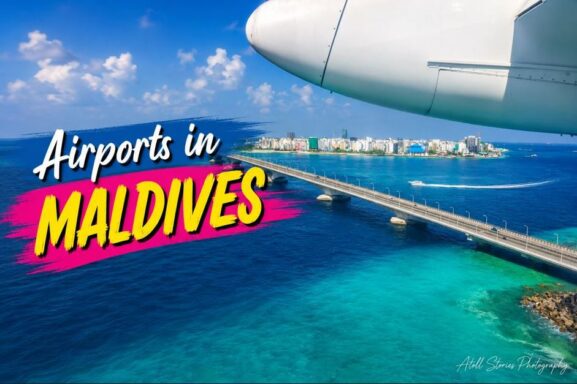
Because the Maldives is made up of nearly 1,200 coral islands, your arrival at Velana International Airport (MLE) in Malé is just the first step. Getting to your final island destination requires water or aerial transportation.
       ✈️ Seaplane           🚤 Speedboat            ⛴️ Local Ferry
  [Distant & Luxury]      [Mid-Range & Close]       [Budget & Local]
   • $225 – $450/person    • $50 – $225/person      • $2 – $4/person
   • Daylight hours only   • Flexible & fast        • Slow fixed schedules
   • Breathtaking views    • Can be bumpy           • Local islands only
Seaplanes
The ultimate Maldivian transfer experience. Seaplanes are ideal for reaching distant, luxury luxury resorts located in outer atolls.
- Cost: Approximately $225–$450 (MVR 3,500–MVR 7,000) per person, usually arranged directly through your resort.
- Note: Seaplanes only fly during daylight hours (roughly 6:00 AM to 4:00 PM). If your international flight arrives in the evening, you will need to spend the night in Malé or Hulhumalé.
Speedboats
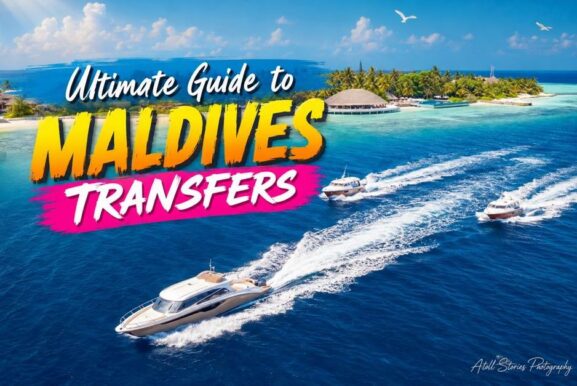
Speedboats are the primary mode of transport for resorts and local islands located closer to Malé (such as the North and South Malé Atolls).
- Cost: $50–$225 (MVR 800–MVR 3,500) per person depending on the distance.
- Note: Speedboats operate in most weather conditions, but rides can get quite bumpy during the monsoon season.
Public Ferries
The ultimate money-saver for independent travelers. Public ferries connect Malé to inhabited local islands.
- Cost: A mere $2–$4 (MVR 30–MVR 60) per ticket.
- Note: Ferries are slow, do not stop at private resort islands, and operate on rigid, limited schedules. They are ideal for budget backpackers exploring local islands like Maafushi.
3. Understanding Maldivian Customs & Islamic Traditions
The Maldives is a proudly Muslim nation. While private resort islands operate under separate, highly relaxed rules (where alcohol and bikinis are perfectly fine), visiting local, inhabited islands requires cultural respect and awareness.
- The Local Dress Code: When walking through local islands or the capital city of Malé, both men and women should dress modestly. Keep your shoulders and knees covered. Women should avoid bikinis and revealing clothing unless they are on a designated “Bikini Beach”—specially zoned beach areas for tourists on local islands.
- Traveling During Ramadan: During the holy month of Ramadan, locals fast from dawn to sunset. If you visit a local island during this time, eating, drinking, or smoking in public spaces during daylight hours is strictly prohibited. Private resorts generally maintain normal operations.
- General Etiquette: Always use your right hand when shaking hands, passing objects, or eating. Public displays of affection (PDA) are frowned upon on local islands.
📌 Cultural Insight:
Maldivians are incredibly warm and hospitable. Show respect by learning a few basic phrases in Dhivehi:
- Hello: Assalaamu alaikum
- Thank you: Shukuriyaa
4. Top Activities & Experiences for First-Time Visitors
A Maldives vacation can be as relaxing or as action-packed as you want it to be. Here are the bucket-list experiences you shouldn’t miss:
- World-Class Snorkeling and Diving: The Maldives boasts some of the healthiest marine ecosystems on earth. Swim alongside sea turtles, reef sharks, and eagle rays right off your jetty. The highest underwater visibility occurs from January to April.
- Water Sports: From peaceful kayaking and stand-up paddleboarding to high-adrenaline parasailing and jet-skiing, water sports centers are staples at almost every resort.
- Local Island Hopping: Take a day trip to inhabited islands like Maafushi or Thoddoo to explore local agricultural farms, sample authentic food, and see traditional island life up close.
- Sunset Dhoni Cruises: Board a traditional wooden Maldivian boat (dhoni) for a romantic evening cruise. Keep your eyes peeled on the horizon—wild spinner dolphins frequently jump alongside the boats at sunset.
🔥 MUST-DO ADVENTURE: HANIFARU BAY
If you are visiting between May and November, book an excursion to Hanifaru Bay
in the Baa Atoll (a UNESCO Biosphere Reserve). The unique currents create a
plankton-rich funnel, drawing in massive, mesmerizing aggregations of hundreds
of manta rays and gentle whale sharks.
5. Maldives Family Vacation: Kid-Friendly Resorts & Activities
While famous as a honeymoon hotspot, the Maldives has quietly evolved into an incredible family vacation destination. Many islands cater extensively to young travelers with stellar amenities:
- World-Class Kids’ Clubs: Premium family resorts offer supervised kids’ clubs complete with nature trails, marine biology crafts, and indoor splash pads.
- Safe Marine Environments: Many resorts are surrounded by shallow, calm lagoons with wide sandbars, making them incredibly safe for toddlers to splash around in.
- All-Inclusive Family Dining: Opting for an all-inclusive package is highly recommended for families. It covers unlimited snacks, ice cream, and kids’ meals, saving you from unexpected, hefty out-of-pocket dining bills.
👨👩👧👦 Family Villa Tip:
If you are traveling with young children, choose a beach villa over an overwater bungalow. Beach villas offer direct access to soft sand, eliminate the safety stress of open railings over water, and generally provide more running room for kids.
6. Authentic Maldivian Cuisine: What to Eat
Maldivian food—known natively as Dhivehi Kaana—is a rich, flavorful fusion of Sri Lankan, Indian, and Arabic influences. It centers heavily around fresh seafood, coconut, and starches.
Must-Try Traditional Dishes
- Mas Huni: The quintessential Maldivian breakfast. It is a fresh, flavorful mixture of shredded tuna, finely grated coconut, chili, and onions, scooped up with warm roshi (local flatbread).
- Garudhiya: A comforting, clear fish soup made from fresh tuna, served piping hot with white rice, lime, and fresh chilies.
- Hedhikaa: Traditional savory snacks enjoyed during afternoon tea. Popular bites include masroshi (fried fish-and-coconut stuffed pancakes) and bajiya (fish-stuffed savory pastries similar to samosas).
Dining Settings
While your resort will serve exceptional international cuisine cooked by world-class chefs, nothing beats tasting local flavors at a neighborhood café in Malé. For a truly unforgettable splurge, you can also book a table at an extraordinary underwater restaurant or enjoy a torch-lit beachfront barbecue right on the sand.
7. Maldives Budget Guide: Saving Without Sacrificing Experience
Can you do the Maldives on a budget? Absolutely. Over the past decade, the opening of local island guesthouses has made this luxury destination accessible to budget-conscious travelers.
Smart Strategies to Save Money
- Stay on Local Inhabited Islands: Guesthouses on islands like Maafushi, Fulidhoo, or Dhiffushi offer clean, comfortable rooms, beautiful beaches, and local excursions for a fraction of resort prices.
- Utilize Public Ferries: Plan your itinerary around the public ferry schedules to cut down your transportation costs from hundreds of dollars to just pocket change.
- Lock In All-Inclusive Packages: If you choose to stay at a private resort, always look for all-inclusive deals. Buying individual meals, soft drinks, and alcoholic beverages à la carte on an isolated resort island can rack up an expensive bill very quickly.
Budget vs. Luxury Cost Breakdown
| Expense | Budget Option (Local Island) | Luxury Option (Private Resort) |
| Accommodation | $50 – $150 / night | $500 – $2,000+ / night |
| Daily Meals | $10 – $20 / day | $100 – $200+ / day |
| Transportation | $2 – $5 (Public Ferry) | $200 – $450 (Seaplane / Speedboat) |
| Excursions | $25 – $50 per activity | $150 – $300+ per activity |
8. Beyond Resorts: Exploring Top Local Islands
If you want to immerse yourself in the culture of the Maldives, stepping foot on an inhabited island is essential. Here are a few top recommendations:
- Dharavandhoo (Baa Atoll): Located right next to the famed Hanifaru Bay, this island serves as the perfect low-cost base camp for ocean lovers wanting to swim with manta rays.
- Thinadhoo (Vaavu Atoll): A tiny, quiet local island known for its breathtaking bikini beach, lush jungle paths, and incredible nearby shipwrecks where you can snorkel safely with nurse sharks.
- Fuvahmulah: A unique, single-island atoll in the far south featuring rare freshwater lakes, lush tropical vegetation, and a world-renowned diving scene famous for up-close tiger shark encounters.
9. Essential Practical Tips: Health, Packing & Local Etiquette
To make sure your arrival and stay go off without a hitch, keep these essential practical tips in mind:
Health & Safety
- Water: Do not drink tap water in the Maldives. Resorts and guesthouses provide complimentary bottled or desalinated glass-bottled water daily.
- Marine Protection: The Maldivian sun is intense. Always use reef-safe sunscreen to protect yourself without bleaching the fragile coral reefs.
- Bug Protection: Bring high-quality insect repellent to ward off tropical mosquitoes, especially if staying on lush, green islands.
What to Pack
- Lightweight linen or cotton clothing, swimwear, and stylish sunglasses.
- A modest kaftan, sarong, or t-shirt to cover up when walking through local villages.
- A sturdy waterproof dry bag to protect your phone and camera gear during speedboat rides.
- UK-style plug adapters (Type G), though many luxury resorts feature universal outlets.
10. How to Choose Your Maldives Accommodation: Resorts vs. Guesthouses
The success of your vacation depends on aligning your accommodation choice with your travel style.
Private Resorts
Private resorts take up their own exclusive islands, offering total seclusion, pristine overwater villas, private infinity pools, premium spas, and world-class dining. They are ideal for honeymooners, luxury seekers, and anyone looking for a seamless, completely pampered escape.
Local Island Guesthouses
Guesthouses offer a vibrant look into everyday Maldivian life. You will stay side-by-side with locals, eat at independent cafes, and book directly with local dive boat captains. It is an immersive, highly rewarding option for adventurous, budget-minded independent travelers.
Final Thoughts
The Maldives is no longer just an exclusive playground for the ultra-wealthy; it is a diverse destination that welcomes every type of traveler. By understanding the seasons, choosing the right island transport, and respecting the beautiful local culture, you can easily craft your own perfect itinerary. Pack your reef-safe sunscreen, step off the plane, and get ready to experience paradise!