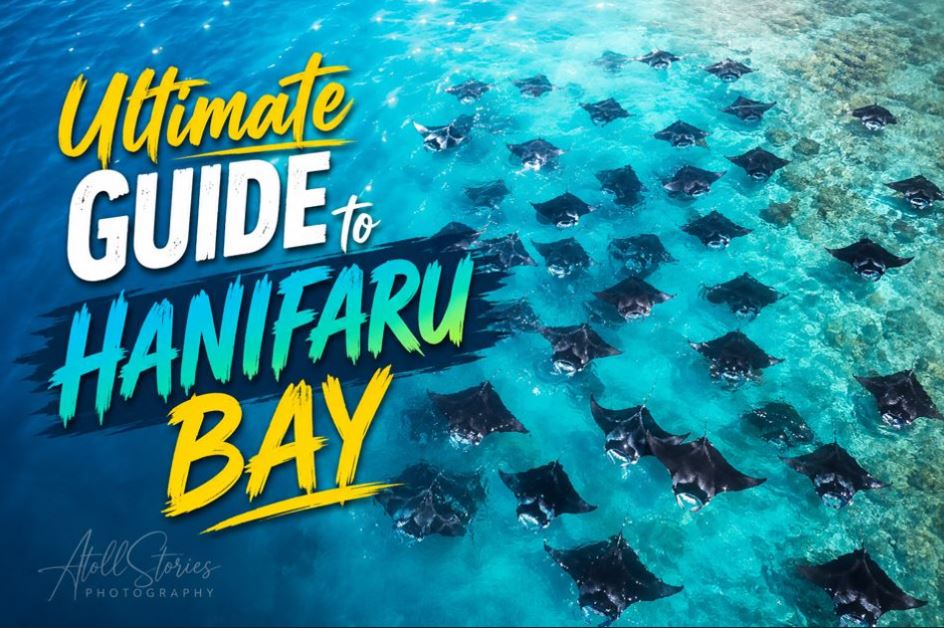
The Ultimate Guide to Hanifaru Bay, Maldives: Swim with Hundreds of Manta Rays
Imagine drifting in crystal-clear turquoise waters while surrounded by dozens—sometimes hundreds—of majestic reef manta rays gliding, swooping, and somersaulting around you. This isn’t a scene from a nature documentary; it is the reality of Hanifaru Bay in the Maldives.
Located on the eastern edge of the stunning Baa Atoll, a designated UNESCO World Biosphere Reserve, Hanifaru Bay is globally recognized as the ultimate hotspot for megafauna encounters. If swimming with manta rays and whale sharks is on your bucket list, this is the premier destination on Earth to witness it.
This comprehensive guide covers everything you need to know about planning your ultimate eco-adventure to Hanifaru Bay, including the best times to visit, strict conservation rules, and tips for an unforgettable trip.
What Makes Hanifaru Bay So Special?
Hanifaru (which translates from the local Dhivehi language as Hani meaning narrow, and Faru meaning reef) is a unique, cul-de-sac reef inlet. Measuring just 700 meters long and 200 meters wide, this narrow bay acts as a massive natural funnel.
During the Southwest Monsoon, a remarkable oceanographic phenomenon occurs:
- The Funnel Effect: Deep oceanic currents collide with strong tidal movements, overcoming the force of the monsoonal current.
- The Plankton Trap: This pushes nutrient-rich water from the deep ocean directly into the shallow, confined bay.
- The Reverse Eddy: A reverse current or “back eddy” forms, trapping massive concentrations of zooplankton inside the shallow lagoon.
[Oceanic Currents] ➔ [Narrow Reef Inlet] ➔ [Reverse Eddy Traps Plankton] ➔ [Manta Ray Feeding Frenzy]
This dense concentration of food triggers a spectacular feeding frenzy. While manta rays typically feed in orderly lines, the sheer volume of plankton and restricted space at Hanifaru Bay breaks down their normal behavior. This leads to “cyclone feeding,” where up to 200+ manta rays form a swirling, hypnotic vortex of wings and open mouths. Occasionally, massive whale sharks join the feast, creating an unparalleled underwater ballet.
When is the Best Time to Visit Hanifaru Bay?
While the Maldives is a year-round tropical paradise, sightings at Hanifaru Bay are highly seasonal and dependent on the monsoonal shifts.
- The Official Season: The manta ray season runs from May to November during the Southwest Monsoon (Hulhangu).
- The Peak Months: For the highest probability of witnessing mass aggregations and cyclone feeding, plan your visit between July and October.
- The Lunar Factor: Plan your trips around the Full Moon or New Moon. The stronger tides during these lunar phases create maximum upwelling, drawing the highest numbers of plankton and marine megafauna into the bay.
Essential Travel Logistics: How to Get There
Hanifaru Bay is located in the central-northern region of the Maldives within Baa Atoll.
1. Choose Your Base
- Luxury Resorts: Baa Atoll is home to world-class luxury properties like The Nautilus Maldives, Seaside Finolhu, and NH Collection Maldives Reethi Resort, which offer bespoke, marine-biologist-guided excursions straight to the bay.
- Local Guesthouses: For budget-conscious travelers and authentic cultural experiences, staying on local inhabited islands like Dharavandhoo (which features its own domestic airport) or Eydhafushi gives you affordable, quick boat access to the reserve.
2. Arrival
Fly into Velana International Airport (MLE) in Malé. From there, take a scenic 20-minute domestic flight to Dharavandhoo Airport or a scheduled seaplane directly to your chosen resort.
Hanifaru Bay Regulations: Protecting the Gentle Giants
To preserve this fragile ecosystem from overcrowding and disruption, the Maldivian Environmental Protection Agency (EPA) implemented strict conservation rules in 2012. Animals always come first.
Strict Guidelines to Keep in Mind:
- No Scuba Diving: Scuba equipment and bubbles disturb the natural feeding patterns of the manta rays. Only snorkeling and freediving are permitted.
- Limited Time & Access: Only 5 boats are allowed in the bay at any given time, and each group is strictly limited to 45 minutes in the water.
- Certified Guides Only: You must enter the water with an accredited, certified local guide who monitors guest behavior.
- No Flash Photography: You can take as many videos and photos as you like, but strobe lights and camera flashes are strictly prohibited.
- Look, Don’t Touch: Keep a respectful distance (at least 3 meters from the body and 4 meters from the tail). Chasing, blocking, or touching the marine life is illegal.
Frequently Asked Questions (FAQs)
Can I see whale sharks at Hanifaru Bay?
Yes! While reef manta rays are the primary attraction, whale sharks regularly enter the bay to capitalize on the trapped plankton. Seeing both species feeding together is a distinct possibility during peak season.
Do I need to be an expert swimmer?
While you should be comfortable in the open ocean, you do not need to be an expert. You will be wearing a life jacket/buoyancy aid, and experienced guides are always in the water to assist you.
What should I bring?
Bring a high-quality mask, snorkel, and fins (though most resorts and guesthouses provide these). An underwater action camera (like a GoPro) is essential—just make sure the flash is turned off!
Final Thoughts: A Bucket-List Maldivian Experience
Swimming alongside the gentle giants of Hanifaru Bay is a surreal, humbling experience that stays with you long after the Maldivian sand has washed off your feet. By participating in these strictly regulated eco-excursions, your park fees contribute directly to the ongoing monitoring, photo-identification, and conservation initiatives led by organizations like the Manta Trust.
Are you ready to witness the world’s greatest underwater ballet? Book your trip to Baa Atoll during the next monsoon season and prepare for an encounter of a lifetime.