Ultimate Guide to Swimming with Manta Rays in the Maldives: Best Time & Places
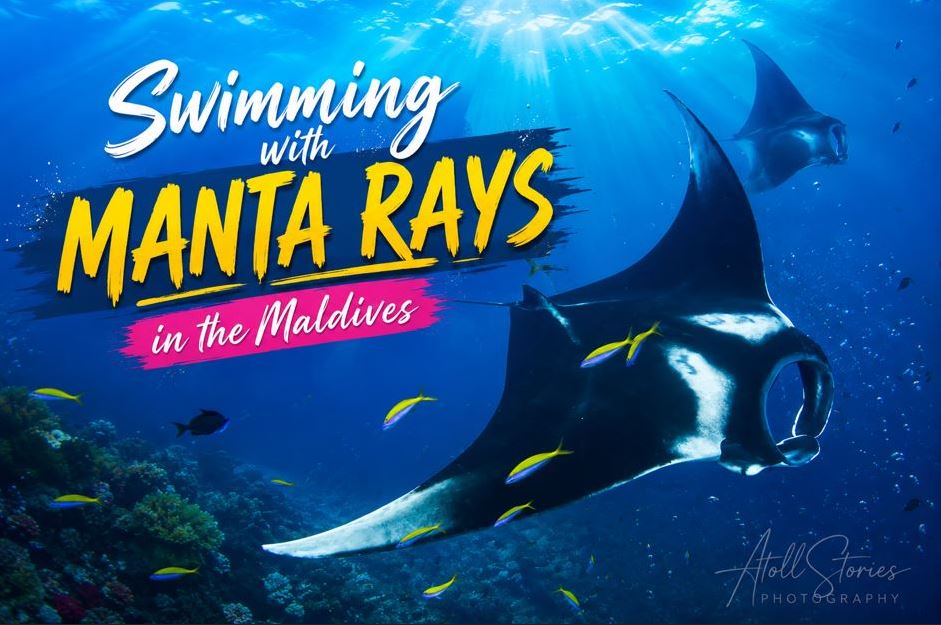
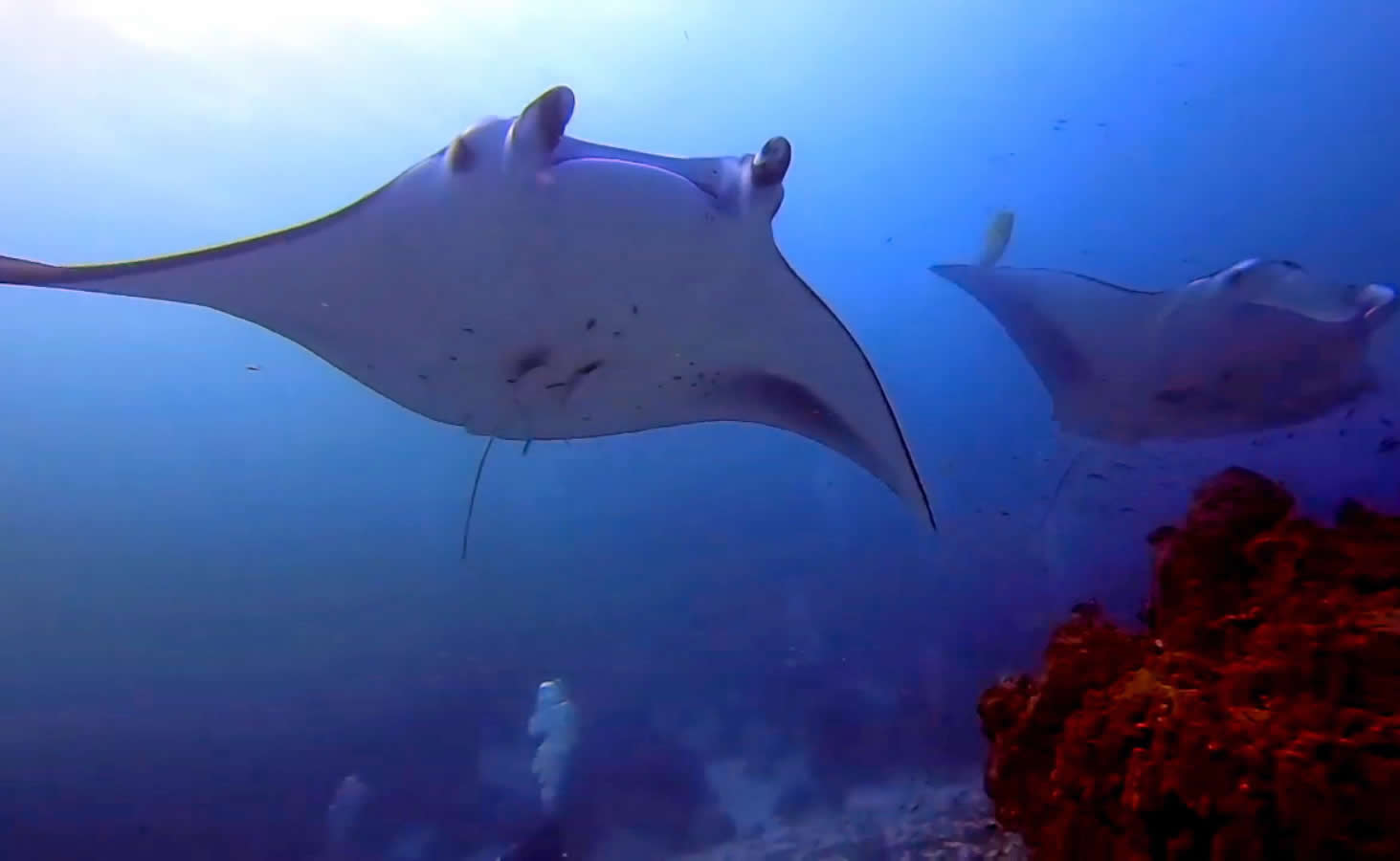
Almost everyone who visits these tropical islands has heard about the majestic manta rays in the Maldives. Snorkeling or diving alongside these giant, graceful “sea angels” (historically called devilfish due to their cephalic fins) is a top “must-do” on every traveler’s bucket list.
Therefore, nothing can be more disappointing than arriving at your luxury resort or local guesthouse just to find out that “now is not manta ray season.”
Why does this happen? Is there not always a manta here?
The answer is yes—manta rays live in the Maldives year-round. However, they are constantly moving and migrating with the seasons. If your main travel goal is to glide alongside these intelligent creatures, you need to know exactly how to align your travel dates with the right geographical locations.
Understanding the Monsoon Blueprint: How Mantas Move
To predict where to find mantas at any given time, we have to look at the powerful underwater currents driven by the Indian Ocean’s seasonal monsoons. The Maldives experiences two distinct monsoonal seasons (locally known as moosung):
- The Southwest Monsoon (Hulhangu): Running approximately from May to October, this is typically characterized by higher wind speeds and increased rainfall.
- The Northeast Monsoon (Iruvai): Running from December to March, this brings the calm, dry, and sunny weather that perfectly captures the Christmas and New Year peak travel markets.
- Transitional Months: April and November serve as the shifting periods where the winds and currents reverse.
                  SOUTHWEST MONSOON (May - October)
                  Currents: West ----> East
   [Western Atoll Edges]                       [Eastern Atoll Edges]
   Clear water / High visibility              Plankton Accumulation (Feeding Zoos)
   (Fewer Manta Sightings)                    (MAXIMUM MANTA SIGHTINGS)

   --------------------------------------------------------------------------

                  NORTHEAST MONSOON (December - March)
                  Currents: East ----> West
   [Western Atoll Edges]                       [Eastern Atoll Edges]
   Plankton Accumulation (Feeding Zoos)        Clear water / High visibility
   (MAXIMUM MANTA SIGHTINGS)                   (Fewer Manta Sightings)
The Nutrient Soup Effect
During the Southwest Monsoon, prevailing ocean currents flow from west to east. When these deep ocean currents collide with the massive underwater volcanic plateaus of the Maldives archipelago, it triggers a powerful phenomenon known as upwelling. Nutrient-rich, cold water is forced up from depths of over 2,000 meters into and through the shallow atoll channels.
As this water flows from west to east, sunlight cooks the nutrients, creating a massive explosion of zooplankton. By the time the current reaches the eastern side of the atolls, the water turns into a thick “soup” of microscopic life. Because mantas are filter-feeders that live exclusively on zooplankton, they migrate en masse to the eastern edges to feed and visit cleaning stations.
During the Northeast Monsoon, the process completely reverses. The currents flow from east to west. The eastern sides become crystal clear with excellent visibility but lack food, while the western outskirts of the atolls become the primary feeding grounds for the mantas.
The Golden Rule for Travelers:
- May to October: Choose a resort or liveaboard on the Eastern side of the atolls.
- December to March: Choose a resort or liveaboard on the Western side of the atolls.
Top Hotspots to Spot Manta Rays in the Maldives
While mantas travel throughout the entire country, specific geographic formations create predictable world-class gathering hubs.
1. Hanifaru Bay (Baa Atoll)
Located within the heart of the Baa Atoll UNESCO World Biosphere Reserve, Hanifaru Bay is globally recognized as one of the most significant manta feeding stations on Earth.
The unique funnel shape of the bay traps massive amounts of plankton during the Southwest monsoon (May to November). When the lunar tides peak around the New Moon and Full Moon, the concentration of food becomes so dense that it triggers a “Cyclone Feeding” frenzy. It is not uncommon to witness up to 200 manta rays barrel-rolling and swooping together, often accompanied by whale sharks.
Crucial Eco-Regulations for Hanifaru Bay:
- Snorkeling Only: Scuba diving is strictly prohibited here to prevent bubbles from disrupting the animals.
- Strict Time Limits: Excursions are limited to 45 minutes per group, and you must book through a certified guide with a valid entry token.
- No-Flash Policy: Flash photography is completely banned to protect the sensitive eyes of marine life.
2. Addu Atoll (The Southern Gem)
Addu Atoll is the southernmost, heart-shaped atoll in the Maldives, sitting just below the equator. Addu is entirely unique because you can spot manta rays here year-round, regardless of the monsoon season.
Furthermore, Addu Atoll is famed for hosting the largest reef mantas in the country, with wingspans frequently exceeding 5 meters. Reliable cleaning stations like Maa Kandu (Manta Point) offer phenomenal scuba diving opportunities where you can watch these giants hover over the hard coral blocks to let cleaner wrasses groom them.
3. South Ari Atoll
South Ari Atoll is a legendary marine protected area (MPA) renowned for both manta rays and year-round whale shark encounters. During the northeast monsoon (winter months), hotspots like Dhigurah Arches and Donkalo Thila on the western side become absolute magnets for mantas looking to feed and clean in the shallower channels.
Quick Trip Planning Checklist
To make sure your itinerary is perfectly optimized for a manta ray encounter, use this quick reference table to pick your booking targets:
| Travel Months | Optimal Maldives Location | Top Sightings & Activity Type |
| May – October | Eastern sides of Baa, North Malé, or Lhaviyani Atoll | Mass feeding spectacles, Hanifaru Bay (Snorkeling Only) |
| December – March | Western sides of South Ari, North Ari, or Raa Atoll | High-visibility channel diving, cleaning stations |
| Year-Round | Addu Atoll (Southernmost Region) | Giant 5-meter mantas, deep channel diving, wreck exploration |
While nature never provides an absolute 100% guarantee, aligning your resort choice with the seasonal monsoonal shifts will give you the highest statistical chance of experiencing one of the most breathtaking wildlife encounters on the planet.