Stingrays in the Maldives: A Complete Guide to These Graceful Ocean Gliders
The Maldives is famous for its crystal-clear lagoons, colorful coral reefs, and incredible marine biodiversity. Among the many fascinating creatures found beneath the turquoise waters, stingrays are some of the most elegant and mesmerizing. Whether you are snorkeling in shallow lagoons, diving along reef channels, or relaxing near a sandbank, encountering stingrays in the Maldives is an unforgettable experience.
From the spotted eagle ray to the giant mangrove whipray, the Maldives offers countless opportunities to observe these graceful creatures in their natural habitat. In this guide, we’ll explore the different species of stingrays in the Maldives, where to find them, their behavior, safety tips, and why they are so important to the marine ecosystem.
What Are Stingrays?
Stingrays are flat-bodied cartilaginous fish closely related to sharks. They belong to the class Chondrichthyes and are known for their wing-like fins, long tails, and smooth gliding movements through the water.
Most stingrays spend their time near the ocean floor, often hiding under sand or swimming slowly around coral reefs. Despite their intimidating name, stingrays are generally shy and peaceful animals that prefer to avoid humans.
Common Species of Stingrays in the Maldives
The Maldives is home to several stunning stingray species, each with unique colors, patterns, and behaviors.
Bluespotted Ribbontail Ray
One of the most recognizable rays in the Maldives, the bluespotted ribbontail ray features bright electric-blue spots across its body. These rays are commonly seen resting on sandy bottoms near coral reefs.
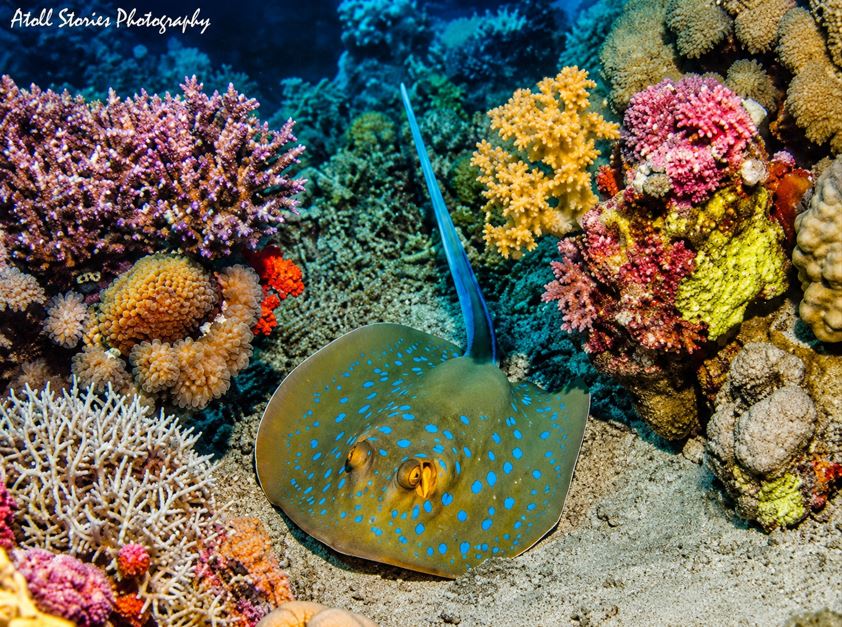
They are especially popular among underwater photographers due to their vivid colors and graceful appearance.
Eagle Rays
Eagle rays are among the most spectacular rays in Maldivian waters. Their large wingspan and spotted patterns make them look almost like underwater birds flying through the ocean.
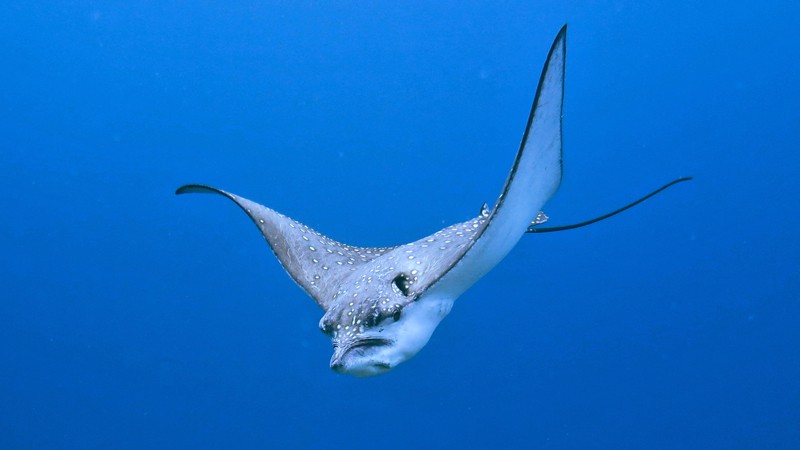
Divers often spot eagle rays cruising through channels and cleaning stations, especially in deeper waters.
Mangrove Whiprays
Mangrove whiprays are larger and darker in appearance. These powerful stingrays can grow to impressive sizes and are often found in lagoons, shallow reefs, and sandy seabeds.
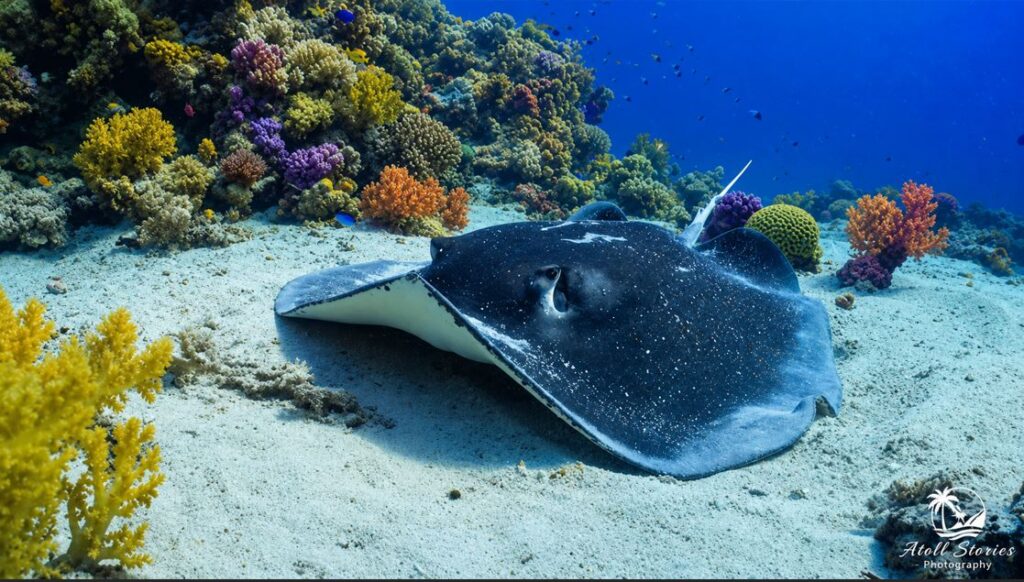
Although they may appear intimidating, they are usually calm unless threatened.
Jenkins Whipray
This species is commonly found around coral reefs and sandy lagoons in the Maldives. Jenkins whiprays are known for their diamond-shaped bodies and long whip-like tails.

Pink Whipray
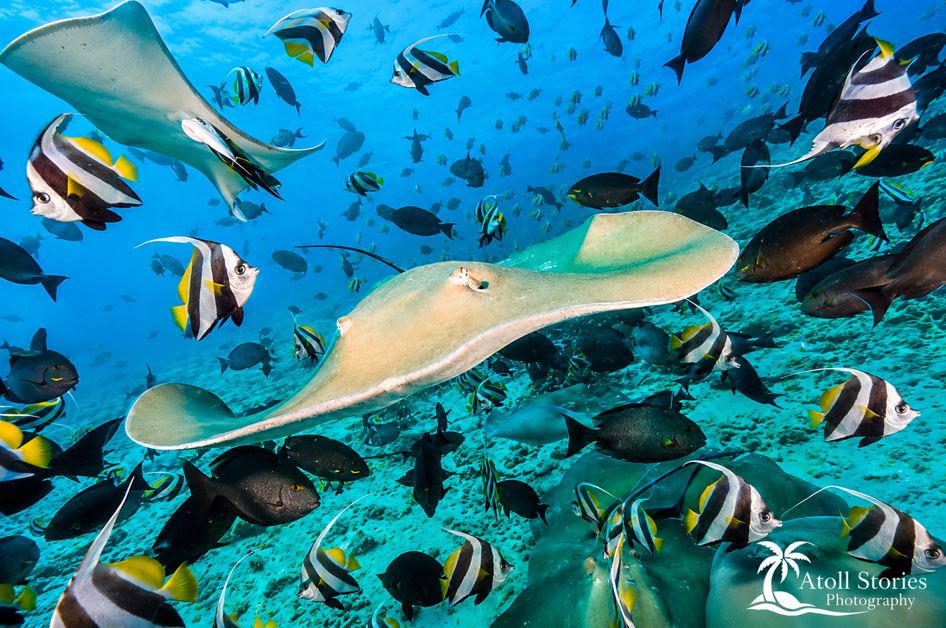
The pink whipray is one of the rarer species occasionally spotted in the Maldives. It has a distinctive warm-toned coloration that makes it highly sought after by marine life enthusiasts and underwater photographers.
Best Places to See Stingrays in the Maldives
The Maldives offers countless locations where stingrays can be observed year-round. Some islands and dive sites are especially famous for ray encounters.
South Ari Atoll
South Ari Atoll is one of the best regions for marine life encounters in the Maldives. Divers and snorkelers frequently encounter eagle rays gliding through channels and reef slopes.
Baa Atoll
The UNESCO Biosphere Reserve of Baa Atoll is rich in biodiversity. Stingrays are commonly seen around coral gardens and shallow lagoons alongside manta rays and reef sharks.
Fuvahmulah
Known for its pelagic marine life, Fuvahmulah offers opportunities to encounter larger stingray species in deeper waters.
Vaavu Atoll
Vaavu Atoll is famous for night snorkeling experiences where stingrays gather near jetties and lagoons, creating magical underwater scenes.
Resort Lagoons and Sandbanks
Many luxury resorts in the Maldives have shallow lagoons where stingrays regularly visit. Some rays become accustomed to human presence and can often be seen swimming close to the shoreline.
Stingray Behavior
Stingrays are generally peaceful animals that spend much of their time searching for food such as crustaceans, mollusks, and small fish hidden beneath the sand.
They use special sensory organs called ampullae of Lorenzini to detect electrical signals from prey buried in the seabed.
Why Do Stingrays Bury Themselves?
Stingrays often cover themselves with sand for camouflage and protection. This behavior helps them hide from predators like sharks while also allowing them to ambush prey.
Are Stingrays Dangerous?
Although stingrays possess venomous barbs on their tails for defense, attacks on humans are extremely rare. Most injuries occur accidentally when people step on them in shallow water.
If left undisturbed, stingrays are harmless and typically swim away when approached calmly.
Tips for Snorkeling and Diving with Stingrays
Swimming with stingrays in the Maldives can be a magical experience if done responsibly.
Keep a Respectful Distance
Avoid chasing or cornering stingrays. Allow them enough space to swim naturally.
Never Touch the Tail
The tail contains a defensive barb. Even friendly-looking stingrays should never be handled.
Shuffle Your Feet
When walking in shallow sandy lagoons, shuffle your feet gently instead of stepping heavily. This alerts buried stingrays to your presence.
Avoid Feeding Wildlife
Feeding stingrays can alter their natural behavior and create unhealthy dependency on humans.
Use Eco-Friendly Sunscreen
Protect the fragile coral reef ecosystem by using reef-safe sunscreen products.
Why Stingrays Matter to the Marine Ecosystem
Stingrays play an important role in maintaining healthy ocean ecosystems. By feeding on small bottom-dwelling organisms, they help balance marine food chains and keep seabed habitats healthy.
Their movements also stir up sand, helping recycle nutrients throughout the reef environment.
Healthy stingray populations are often indicators of a thriving marine ecosystem, making them an essential part of the Maldives’ underwater biodiversity.
Best Time to See Stingrays in the Maldives
Stingrays can be seen throughout the year in the Maldives. However, calm seas and clear visibility between November and April provide the best conditions for snorkeling and diving.
Night dives and early morning excursions often offer the highest chances of close stingray encounters.
Underwater Photography Tips for Stingrays
If you want stunning photographs of stingrays in the Maldives, consider these tips:
- Stay low and approach slowly
- Use natural light in shallow lagoons
- Capture rays while they are gliding for dynamic images
- Focus on eye contact and wing movement
- Avoid using excessive flash close to marine life
Patience is key to getting breathtaking underwater shots.
Conservation Challenges
Like many marine species worldwide, stingrays face several threats including:
- Overfishing
- Habitat destruction
- Plastic pollution
- Climate change
- Coral reef degradation
Marine protected areas and sustainable tourism practices in the Maldives help support stingray conservation and preserve their habitats for future generations.
Final Thoughts
Stingrays are among the most graceful and fascinating marine creatures you can encounter in the Maldives. Their smooth movements, unique appearances, and calm behavior make every sighting unforgettable for snorkelers, divers, and ocean lovers alike.
Whether you are exploring coral reefs, relaxing in shallow lagoons, or embarking on a diving adventure, watching stingrays glide effortlessly through Maldivian waters is a magical experience that perfectly captures the beauty of the Indian Ocean.
For anyone passionate about marine life, the Maldives remains one of the world’s best destinations to witness these incredible underwater gliders in their natural paradise.