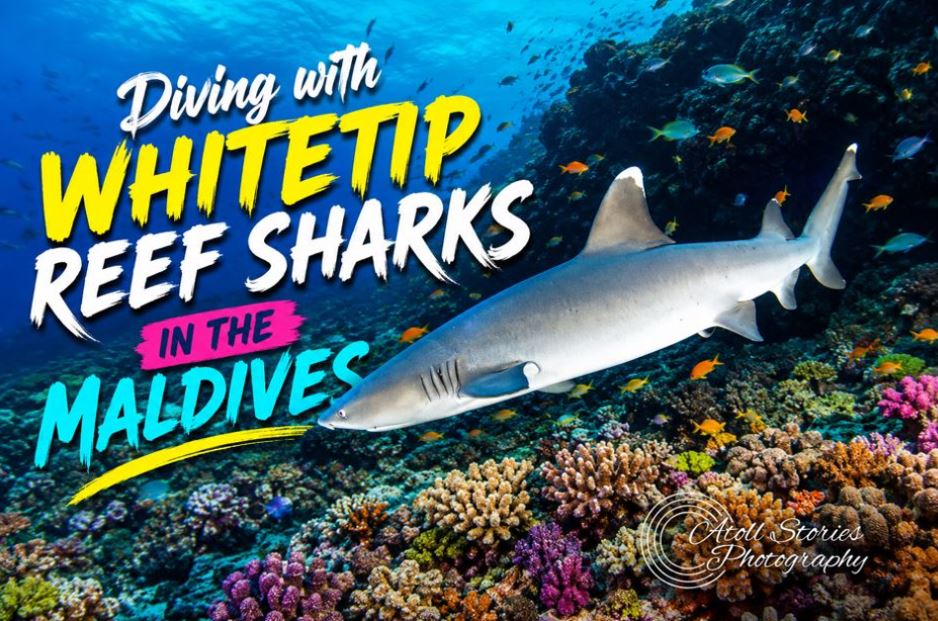
Ultimate Guide to Diving with Whitetip Reef Sharks in the Maldives
The Maldives is world-renowned as a premier destination for marine megafauna, drawing divers from across the globe to its crystal-clear lagoons and dramatic reef drop-offs. While whale sharks and manta rays often capture the headlines, the vibrant coral sanctuaries of this archipelago are anchored by an equally fascinating resident: the Whitetip Reef Shark (Triaenodon obesus).
Unlike many pelagic species that patrol the deep open ocean, the whitetip reef shark is an intimate part of the Maldivian reef ecosystem. Encountering these sleek, curious predators is a definitive highlight of any underwater itinerary in the Maldives.
This comprehensive guide explores the unique biology, behavior, and best diving hot spots for encountering whitetip reef sharks in the Maldives.
Fast Facts: The Whitetip Reef Shark at a Glance
| Feature | Specification |
| Scientific Name | Triaenodon obesus |
| Average Size | 1.4 to 1.6 meters (4.6 to 5.2 feet) |
| Maximum Depth | Typically 8 to 40 meters (26 to 131 feet) |
| IUCN Red List Status | Vulnerable |
| Key Identifying Mark | Brilliant white tips on the dorsal and caudal (tail) fins |
How to Identify a Whitetip Reef Shark
Distinguishing a whitetip reef shark from other common Maldivian species—like the blacktip reef shark or the stockier grey reef shark—is relatively straightforward if you look for a few distinct physical traits:
- The White Flashes: True to their name, these sharks feature bright, unmistakable white tips on the apex of their first dorsal fin and the upper lobe of their tail fin.
- Slender Profile: They possess an elongated, highly flexible body paired with a short, wide, and flattened head.
- Distinctive Facial Features: Their small, oval eyes have vertical pupils, set above a downward-slanting mouth that gives them a uniquely “disgruntled” expression. Distinct tubular skin flaps also protrude near their nostrils.
Fascinating Behavior: The Stationary Breather
For underwater photographers and divers, the whitetip reef shark offers remarkably stable viewing opportunities due to a unique physiological capability.
Most members of the requiem shark family rely on ram ventilation—meaning they must constantly swim forward to force oxygen-rich water over their gills. Whitetip reef sharks, however, utilize buccal pumping. They can actively pump water through their mouths and over their gills while remaining entirely still.
What to expect by day: Because they do not need to stay in motion, whitetips spend their daylight hours resting. You will frequently spot them stacked alongside one another on sandy lagoon floors, tucked neatly under large table corals, or resting inside deep reef crevices and caves.
The Night Hunt
As dusk falls across the atolls, the whitetip’s behavior shifts dramatically. They are nocturnal hunters, specializing in tracking down sleeping fish, octopuses, and crustaceans hidden deep within the reef structure.
Their slender, flexible bodies allow them to wriggle violently into tight cracks and coral fissures to extract prey. They often hunt in loose groups, effectively blocking escape routes from a coral head while individual sharks move in for the catch.
Best Atolls and Dive Sites for Whitetip Reef Sharks
Whitetip reef sharks are common residents across nearly all of the 26 atolls in the Maldives. However, certain regions offer exceptional encounters due to specific topography, marine currents, and protected status.
1. South Ari Atoll
South Ari Atoll is celebrated for its reliable, high-density shark encounters. Sites featuring deep caves, drop-offs, and vibrant thilas (underwater pinnacles) provide perfect daytime resting spots for whitetips.
- Top Site: Maaya Thila – Renowned as one of the best night-diving sites in the world, this protected marine area transforms after dark. Divers can watch whitetip reef sharks actively darting through the channels and hunting alongside giant trevallies.
2. Vaavu Atoll
Vaavu Atoll is famous for its deep channels and dramatic vertical walls, which attract high numbers of reef sharks and nurse sharks.
- Top Site: Alimatha Jetty – While famous for its massive resident population of nurse sharks, this site also draws dozens of whitetip reef sharks during night dives, creating an adrenaline-fueled underwater spectacle.
3. North Malé Atoll
For travelers staying closer to the capital or international airport, North Malé Atoll provides quick access to healthy reef systems.
- Top Site: Banana Reef – The Maldives’ very first documented dive site features dramatic overhangs and caves where multiple whitetip sharks can be observed resting closely together during morning dives.
Eco-Tourism and Shark Conservation in the Maldives
The thriving populations of reef sharks encountered today are a direct result of progressive environmental legislation. In 2010, the Maldivian government declared its entire economic zone an official shark sanctuary, banning all forms of commercial shark fishing, as well as the import and export of shark products.
Because sharks are top predators, their health directly reflects the health of the coral reefs. Eco-tourism plays a vital role in maintaining these protections, proving that live reef sharks bring far greater economic value to local communities through diving and tourism than commercial fishing ever could.
Safety and Etiquette for Divers and Snorkelers
Whitetip reef sharks are inherently non-aggressive toward humans and are generally curious yet cautious. To ensure a safe, respectful, and memorable encounter, keep the following guidelines in mind:
- Maintain Perfect Buoyancy: When observing a resting shark under a overhang or on a sandy patch, maintain your distance. Never crowd a shark into a cave, as this can trigger a defensive reaction.
- Stay Low and Quiet: Whitetips are easily spooked by sudden, erratic movements. If you remain calm, stationary, and close to the seabed, they will often swim remarkably close out of pure curiosity.
- Do Not Attempt to Touch or Feed: Feeding disrupts natural hunting behaviors and can cause unnecessary stress or accidental defensive bites. Treat these apex predators with the respect they deserve.
Whether you are capturing wide-angle macro shots of a snoozing pup beneath a table coral or watching a sleek pack shadow your flashlight during a night dive, encountering the whitetip reef shark is an indelible part of the ultimate Maldivian diving experience.
Are you planning an upcoming liveaboard trip or looking for specific resort recommendations that feature the best house reefs for shark sightings?