
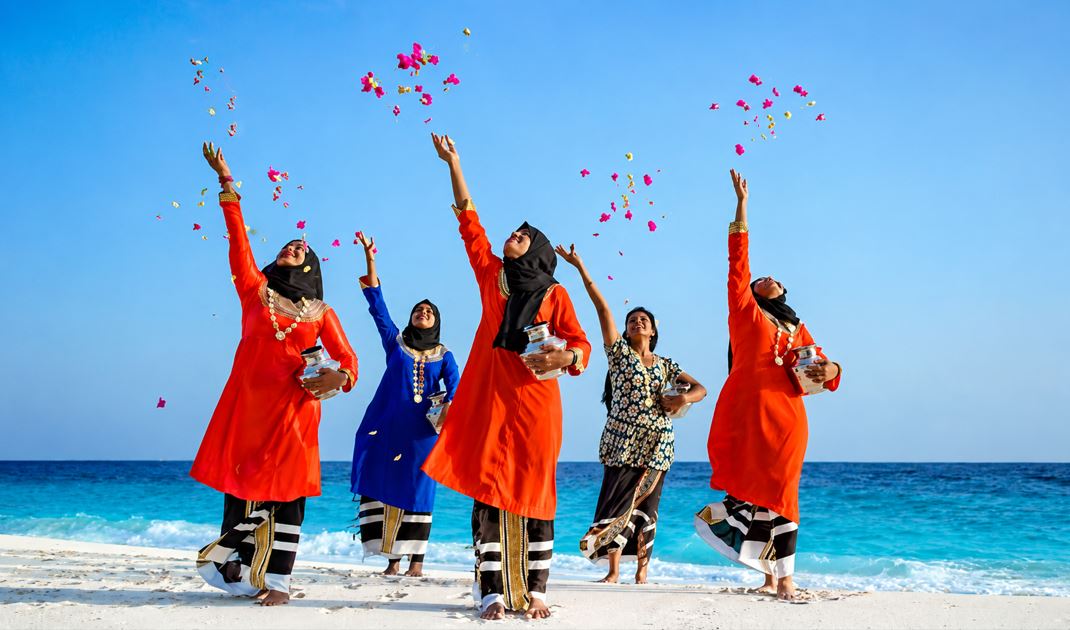
Why Many Girls From Addu and Fuvahmulah Rarely Perform Bandiyaa Jehun
Bandiyaa Jehun is one of the most recognized traditional dances in the Maldives. The performance involves women rhythmically dancing while tapping metal water pots called bandiyaa. It is commonly seen during cultural shows, school events, weddings, and national celebrations across many islands.
However, many people have noticed that girls from Addu City and Fuvahmulah are less involved in Bandiyaa Jehun compared to girls from northern and central atolls. This has led to curiosity about the cultural reasons behind it.
Different Regions of the Maldives Have Different Traditions
The Maldives has a rich cultural diversity. Every atoll developed its own customs, dialects, music, and dance styles over hundreds of years. While Bandiyaa Jehun became popular in many islands, southern atolls such as Addu and Fuvahmulah historically focused more on other forms of entertainment and social traditions.
In these southern regions, cultural identity is often strongly connected to local customs rather than nationwide folk performances. Because of this, Bandiyaa Jehun was never as deeply rooted in everyday cultural life there as it was in some other parts of the Maldives.
Strong Local Identity in Addu and Fuvahmulah
People from Addu and Fuvahmulah are known for having a very strong sense of regional identity. Their dialects, cuisine, clothing styles, and social traditions are unique compared to the rest of the country.
Many young women from these islands prefer modern performances, contemporary dance styles, or local southern traditions instead of performing Bandiyaa Jehun. This does not mean they dislike Maldivian culture. Instead, it reflects the cultural uniqueness of the southern Maldives.
Modern Lifestyle and Changing Interests
Like many young people around the world, girls in Addu and Fuvahmulah today are increasingly influenced by global media, social media trends, music videos, and modern entertainment. Traditional dances such as Bandiyaa Jehun may feel old-fashioned to some younger generations.
Schools and youth programs in southern atolls also tend to focus more on sports, music, and modern performances rather than traditional folk dancing. As a result, fewer girls grow up learning Bandiyaa Jehun regularly.
Cultural Differences Should Be Respected
It is important to understand that cultural preferences vary across the Maldives. Not every island practices the same traditions in the same way. The reduced popularity of Bandiyaa Jehun in Addu and Fuvahmulah is mainly connected to regional culture, modern influences, and personal interests.
At the same time, many people from these islands still appreciate Maldivian heritage and may participate in traditional performances during national celebrations or tourism events.
Is Bandiyaa Jehun Still Important?
Despite changing trends, Bandiyaa Jehun remains an important symbol of Maldivian culture. Cultural groups, schools, and tourism resorts continue to preserve the dance and introduce it to younger generations and international visitors.
Traditional performances like Bandiyaa Jehun help showcase the artistic heritage of the Maldives and keep local history alive.
Conclusion
The reason many girls from Addu and Fuvahmulah do not commonly perform Bandiyaa Jehun is mostly due to regional cultural identity, modern lifestyle changes, and different local traditions. Rather than rejection of culture, it reflects the diversity that makes the Maldives culturally unique.
As the country continues to modernize, preserving traditional arts while respecting regional differences will remain an important part of Maldivian identity.