Swimming with Gentle Giants: The Ultimate Guide to Whale Sharks in the Maldives
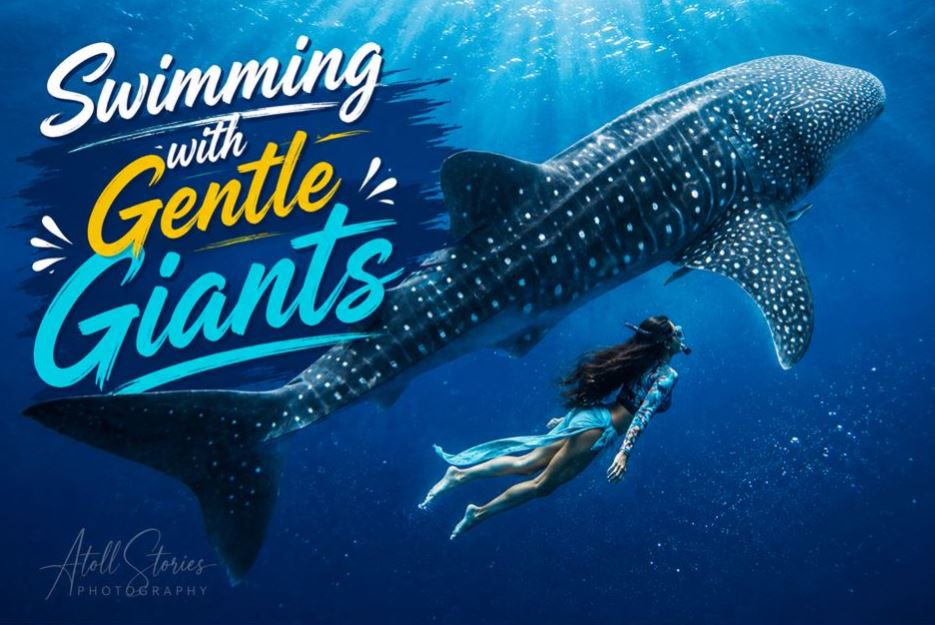
Few travel experiences match the sheer awe of coming face-to-face with a whale shark. As the ocean’s largest fish, these magnificent, star-dappled creatures inspire a unique sense of wonder.
With its crystal-clear turquoise waters and thriving marine ecosystems, the Maldives stands as one of the premier destinations on the planet for reliable whale shark encounters. Whether you are an avid scuba diver, a passionate snorkeler, or a bucket-list traveler, this ultimate guide covers everything you need to know about experiencing whale sharks in the Maldives responsibly.
What is a Whale Shark? Fast Facts About the Ocean’s Gentle Giants
Despite their intimidating name, whale sharks (Rhincodon typus) are not whales at all—they are sharks, making them the largest living fish in the sea. Locally known in Dhivehi as fehurihi, these creatures move with a slow, hypnotic grace.
- Size Matters: They can reach staggering lengths of up to 12 to 18 meters, though the average size spotted in the Maldives sits around 6 meters.
- Dietary Habits: They are completely harmless to humans. As filter feeders, they cruise just below the surface with their massive mouths wide open, straining plankton, krill, and small fish from the water.
- Unique as a Fingerprint: Every whale shark sports a completely unique pattern of white spots and lines. Researchers use photo-identification software to track individuals based on the area just behind their gills.
- Conservation Status: Regrettably, whale sharks are listed as Endangered on the IUCN Red List. The Maldives has fiercely protected them by law since 1995, establishing vital sanctuaries to support their recovery.
Where to Find Whale Sharks in the Maldives
While whale sharks travel long distances across tropical oceans, the unique topography of the Maldivian atolls creates nutrient-rich funnels that encourage them to stick around.
 Maldives Whale Shark Hotspots
 ├── South Ari Atoll (Year-Round Residents)
 │    └── Top Islands: Dhigurah, Dhangethi, Maamigili
 └── Baa Atoll (Seasonal Aggregations)
      └── Top Site: Hanifaru Bay (UNESCO Biosphere Reserve)
1. South Ari Atoll (The Year-Round Sanctuary)
If seeing a whale shark is your absolute priority, point your compass toward the South Ari Marine Protected Area (SAMPA). This is the largest protected area in the Maldives and home to a rare resident population of mostly juvenile males. Because of the consistent water temperatures and year-round food supply, encounters here happen almost daily.
- Top Base Islands: Dhigurah, Dhangethi, and Maamigili.
2. Hanifaru Bay, Baa Atoll (The Seasonal Spectacle)
Hanifaru Bay is a globally famous UNESCO Biosphere Reserve. During the southwest monsoon, the unique shape of the bay acts as a massive scoop, trapping vast concentrations of plankton. This triggers a feeding frenzy where dozens of reef manta rays and several whale sharks aggregate simultaneously. Note: SCUBA diving is prohibited here to protect the wildlife; snorkeling is the only way to experience it.
Best Time of Year to See Whale Sharks
You can spot whale sharks all year round in the Maldives, but your choice of month dictates where you should book your stay due to changing monsoon currents.
| Season / Monsoon | Months | Best Locations | What to Expect |
| Northeast Monsoon (Dry Season) | December – April | Western sides of the Atolls (e.g., West South Ari) | Calm seas, excellent underwater visibility, and sunny weather. |
| Southwest Monsoon (Wet Season) | May – November | Eastern sides of the Atolls (e.g., Dhigurah); Baa Atoll (Hanifaru Bay) | Peak plankton blooms. Water clarity drops slightly, but the influx of food drastically increases your chances of multiple shark and manta sightings. |
Ethical Tourism: Code of Conduct for Swimming with Whale Sharks
Because these gentle giants return to the surface to warm up and reload oxygen, they can become cognitively sluggish and highly sensitive to human disruptions. To ensure your encounter is sustainable, the Maldives Environmental Protection Agency (EPA) enforces strict interaction guidelines:
🚫 The Golden Rules of Whale Shark Encounters
- Keep Your Distance: Maintain a minimum distance of 3 meters from the head/body and 4 meters from the powerful tail.
- Do Not Touch: Never attempt to touch, ride, or chase a whale shark. If one swims directly toward you, calmly back away to clear its path.
- No Flash Photography: Their eyes are incredibly sensitive to sudden bursts of light. Turn off your camera flash.
- Enter Quietly: Slip into the water softly from the boat without a loud splash to avoid startling the shark into a deep dive.
- Keep it Quiet: Avoid aggressive splashing or yelling while in the water.
How to Book Your Whale Shark Adventure
You don’t need to be an elite diver to hang out with these gentle giants. Excursions cater to all comfort levels:
- Snorkeling Safaris: The most popular choice. Because whale sharks cruise right beneath the surface to feed and sunbathe, a mask, snorkel, and fins are all you need to swim alongside them.
- Scuba Diving Excursions: Many luxury resorts and local island guesthouses in the South Ari Atoll offer dedicated dive trips to outer reef slopes where whale sharks frequent.
- Liveaboard Diving: For dedicated divers, booking a week-long Maldivian liveaboard cruise (safari boat) provides the ultimate flexibility, moving downwind with the monsoon to chase the highest concentrations of marine life.
By choosing eco-conscious tour operators that collaborate with research bodies like the Maldives Whale Shark Research Programme (MWSRP), your bucket-list trip directly funds the protection of these majestic animals for generations to come.
Which atoll are you leaning toward visiting, or would you like recommendations on eco-friendly resorts and local islands that specialize in whale shark tours?