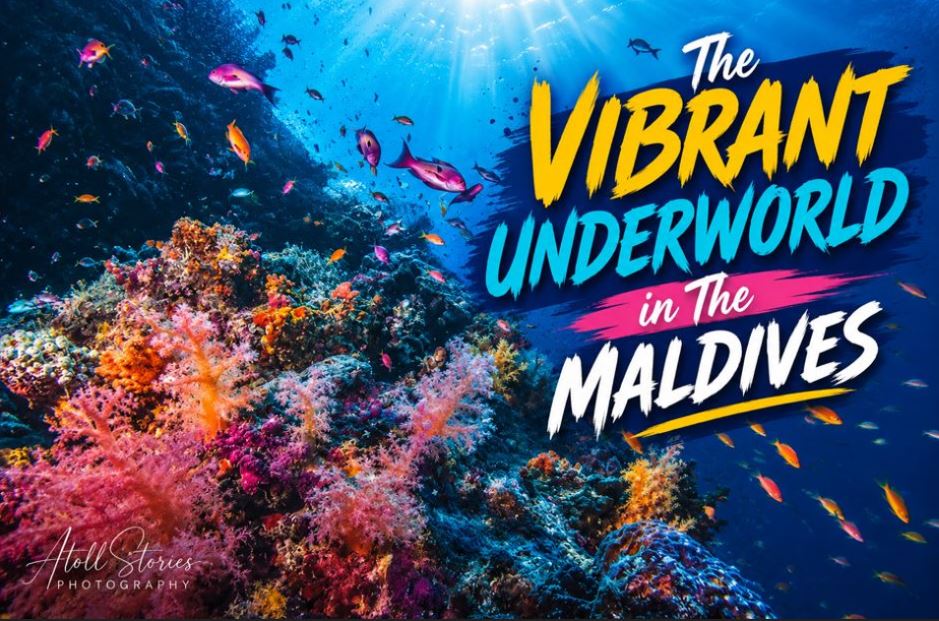
The Vibrant Underworld: A Guide to the Coral Reefs of the Maldives
The Maldives is universally recognized for its overwater bungalows, powdery white sands, and endless horizons of cerulean water. However, the true magic of this archipelagic nation lies beneath the surface. Home to roughly 3.14% of the world’s reef area, the Maldives boasts the seventh-largest coral reef system on Earth.
For scuba divers, snorkelers, and eco-conscious travelers, the Maldivian coral reefs offer an unparalleled glimpse into a bustling marine metropolis. This comprehensive guide explores the rich biodiversity, the vital ecological importance, and the pioneering conservation efforts protecting these spectacular “rainforests of the sea.”
Why Maldivian Coral Reefs Are Globally Unique
The Maldives is not just surrounded by coral; it is built on it. The country’s 1,192 low-lying islands are entirely coralline in origin, resting upon a vast submarine mountain range.
The geomorphology of these reefs is highly distinct, characterized by unique formations:
- Atolls: 26 natural ring-shaped coral structures enclosing deep lagoons.
- Faros: Small, circular reefs nested within the main atolls, each featuring its own shallow sandy lagoon.
- House Reefs: The immediate, accessible coral zones bridging the shallow island shores and the deep drop-offs of the open ocean.
Because the Maldives lacks inland rivers, there is zero sediment runoff. This keeps the surrounding ocean exceptionally clear, offering underwater visibility that frequently exceeds 30 meters—creating the ultimate breeding ground for robust coral colonies.
A Snapshot of Marine Biodiversity
The underwater ecosystems of the Maldives are among the most biodiverse on the planet. The complex calcium carbonate structures built by coral polyps serve as both a sanctuary and a hunting ground for thousands of marine species.
| Category | Diversity & Key Species |
| Coral Species | Over 250 species of hard and soft corals (including brain, staghorn, and pillar corals). |
| Reef Fish | More than 1,100 species, ranging from neon damselfish to massive schools of colorful fusiliers. |
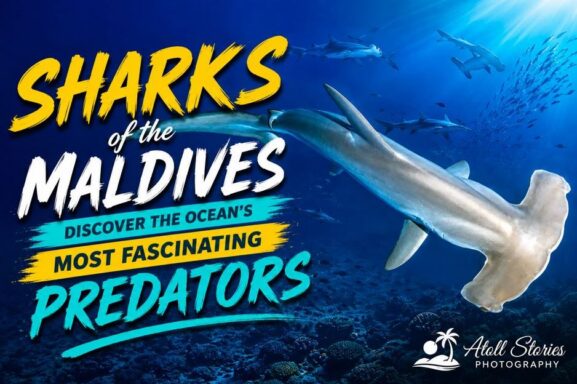
| Apex Predators | Reef sharks (blacktip, whitetip, grey reef), hammerheads, and occasional tiger sharks. |
| Megafauna | Manta rays and whale sharks, which migrate through the deep channels year-round. |
| Marine Reptiles | 5 out of the world’s 7 sea turtle species, primarily Green and Hawksbill turtles. |
The Ecological and Economic Lifeline of the Nation
Beyond their breathtaking aesthetic appeal, the coral reefs are the foundational infrastructure of the Maldives. They serve three critical functions:
1. Natural Coastal Defense
The Maldives is the lowest-lying nation on Earth, averaging just 1.5 meters above sea level. The coral reefs act as massive submerged breakwaters. By absorbing up to 97% of wave energy, they mitigate beach erosion and protect coastal communities from devastating storm surges.
2. Driving the Local Economy
The health of the reefs is tied directly to the nation’s financial stability. The tourism sector (driven heavily by diving and snorkeling) and the sustainable pole-and-line fishing industry collectively account for a major share of the country’s GDP.
3. The Unsung Heroes: Sponges and Algae
The vibrant colors of the reefs stem from a symbiotic relationship between coral polyps and microscopic algae called zooxanthellae. Meanwhile, the reef’s sponge loops act as natural filtration factories. A single small sponge can pump and purify liters of water daily, recycling nutrients to keep the ecosystem productive even in nutrient-poor tropical waters.
Threats Facing the Maldives’ Reef Ecosystems
Despite their resilience, Maldivian coral reefs face unprecedented pressure from both global climate shifts and localized human activity.
- Marine Heatwaves & Bleaching: When sea surface temperatures spike and remain elevated, corals experience thermal stress and expel their symbiotic algae. This turns the coral stark white (bleaching) and starves them of vital nutrients. Major El Niño events in 1998, 2016, and recent years have caused severe shallow-water bleaching across the archipelago.
- Ocean Acidification: As the oceans absorb excess atmospheric carbon dioxide ($CO_2$), the water becomes more acidic. This lowers the saturation state of calcium carbonate, making it difficult for corals to calcify and build their hard skeletons.
- Localized Pressures: Rapid tourism expansion, coastal development, improper waste management, and physical damage from anchors or inexperienced divers add compounding stress to fragile house reefs.
Pioneering Conservation and Future Restoration
The Maldivian government, luxury eco-resorts, and local NGOs are actively implementing innovative solutions to safeguard these underwater habitats.
Marine Protected Areas (MPAs)
The Maldives has designated numerous Marine Protected Areas to restrict disruptive commercial activities. The most famous is the Baa Atoll, a UNESCO Biosphere Reserve renowned for Hanifaru Bay, where hundreds of manta rays gather to feed. Another critical zone is the South Ari Marine Protected Area (SAMPA), a global hotspot for year-round whale shark conservation.
Active Reef Restoration
To combat bleaching-induced mortality, marine biologists across the Maldives utilize advanced propagation techniques:
- Coral Gardening: Attaching rescued coral fragments to human-made steel frames or “reef balls” to encourage cloning and accelerated growth.
- Micro-fragmentation: Breaking massive coral species into tiny pieces to stimulate rapid tissue regeneration before transplanting them back onto degraded natural structures.
Parametric Insurance for Reefs
In a groundbreaking move for blue finance, the Maldives has explored cutting-edge parametric coral reef insurance. Utilizing satellite temperature data, these models automatically trigger emergency financial payouts to local conservation groups during prolonged marine heatwaves. This provides immediate, rapid funding for active restoration before the damaged ecosystems collapse.
Responsible Travel: How Visitors Can Protect the Reefs
If you are planning a trip to the Maldives, you can directly contribute to reef preservation by adopting a few sustainable practices:
- Wear Reef-Safe Sunscreen: Traditional sunscreens contain chemical oxybenzone and octinoxate, which are highly toxic to coral polyps. Opt for mineral-based, non-nano zinc oxide formulas.
- Practice Perfect Buoyancy: Never touch, step on, or kick the coral while diving or snorkeling. Even a gentle brush can destroy decades of delicate growth.
- Support Eco-Certified Resorts: Choose properties with resident marine biologists, active coral propagation workshops, and robust single-use plastic ban policies.
- Adopt a Coral Frame: Many resort marine centers allow guests to sponsor and build a personalized coral frame, helping restore the local house reef long after their vacation ends.